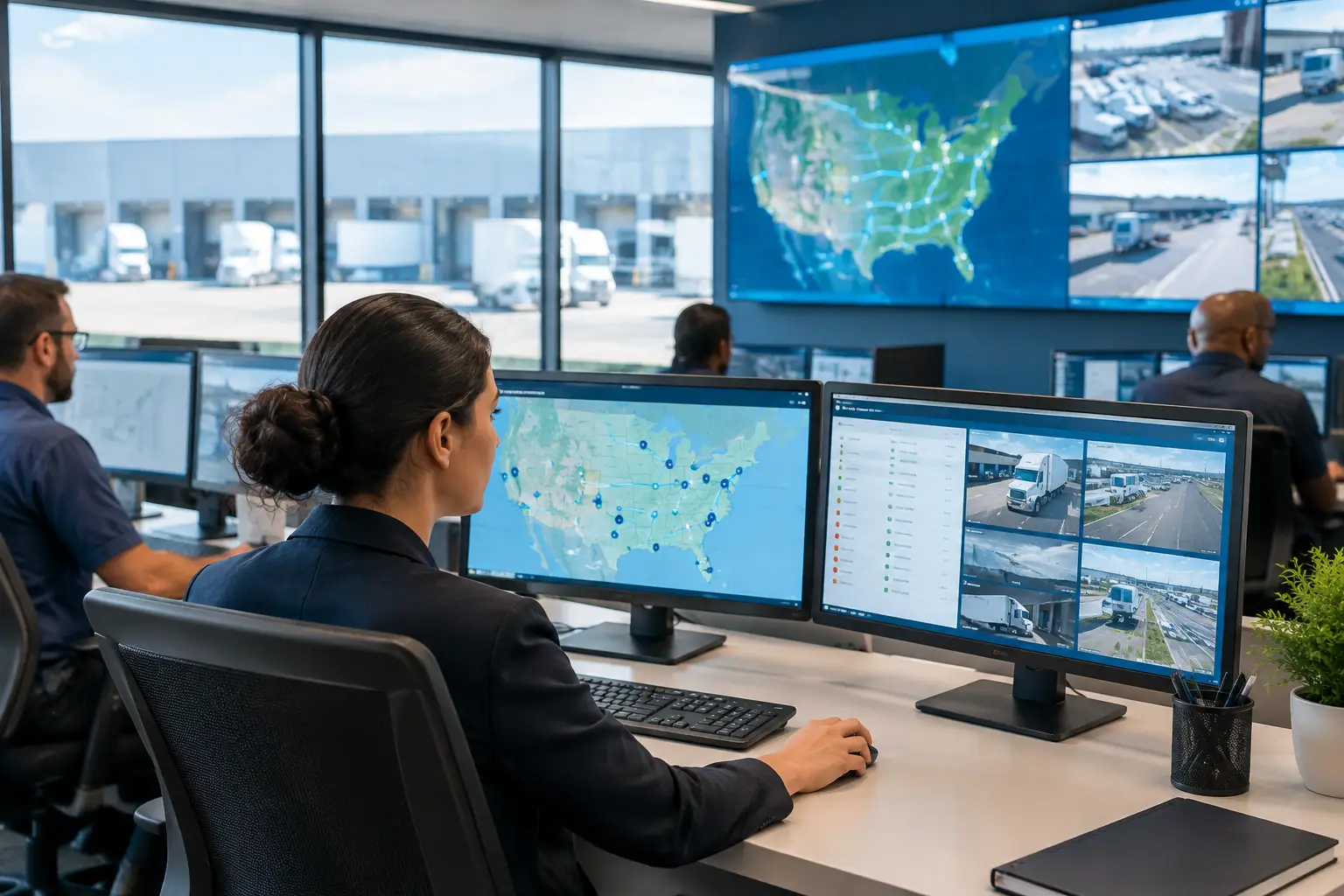
A shipment late to a plant is rarely just a visibility problem. It can trigger dock congestion, production risk, expedited freight, carrier disputes, and an invoice that no longer matches the original plan. To create a transportation control tower that changes those outcomes, shippers need more than a map with colored shipment dots. They need one operating environment that connects decisions before pickup with execution, exceptions, and payment after delivery.
For transportation leaders managing multiple plants, warehouses, carriers, and freight buying models, the goal is straightforward: see what matters early enough to act, then give the right team a controlled path to resolve it. That requires a control tower built around workflows, not another reporting layer.
Start With the Decisions Your Control Tower Must Improve
The strongest transportation control towers begin with operational decisions, not software features. Ask where your team loses time, money, or accountability today. The answer is often found in the handoffs between procurement, dispatch, dock operations, customer service, and finance.
A useful control tower should help teams decide which carrier and rate option to use, whether a tender has been accepted, which shipment requires intervention, whether a dock appointment is achievable, and whether a carrier invoice matches the service that was planned and delivered. If a platform shows a delay but does not connect the delay to the next action, it creates awareness without control.
This is also where scope matters. A shipper with stable, repetitive lanes may prioritize contract compliance and carrier scorecards. A network with frequent production changes, urgent orders, and spot freight demand needs faster sourcing decisions and stricter exception workflows. There is no value in copying another company's tower design. Build for the decisions that affect your network every day.
Build the Transportation Control Tower Around One Shipment Record
Fragmented freight operations usually produce several versions of the truth. Procurement has a rate file. Transportation has a dispatch spreadsheet. Warehouses use appointment schedules. Finance receives invoices in a separate process. Carriers communicate through email, portals, and phone calls.
A control tower needs a single shipment record that follows freight from request to payment. That record should carry the shipment requirements, selected rate and carrier, tender status, pickup and delivery milestones, dock information, proof of delivery, service exceptions, and invoice validation status. Every team does not need the same screen, but every team needs to work from the same facts.
This is the difference between visibility and operational coordination. Visibility tells you a truck is running late. A coordinated control tower shows the affected stop, the committed appointment, the responsible carrier, the available response options, and the financial impact if the shipment must be rebooked or expedited.
Connect Procurement to Execution
Transportation procurement cannot operate as a separate event that ends once a rate is awarded. The selected transportation option must flow directly into booking and execution, whether it comes from a contracted lane, a pre-negotiated spot option, or a live market request.
That connection is especially important when planned freight becomes an exception. If a contracted carrier declines a tender or capacity changes at the last minute, the team should not start over in email. The control tower should preserve the shipment context and guide the next sourcing path based on cost, service requirements, carrier availability, and urgency.
A hybrid procurement model gives transportation teams room to act without abandoning control. The right choice is not always the lowest published rate. It may be the carrier that can meet a critical dock appointment, protect a production schedule, or reduce the risk of an expensive service failure.
Include Dock and Yard Reality
A shipment can be on time to the facility and still create a problem if the receiving dock is unavailable. That is why transportation control towers should include appointment and yard conditions where relevant, rather than treating them as unrelated warehouse details.
When dispatchers, site teams, and carriers can coordinate against the same appointment information, they can adjust before a missed slot becomes detention, congestion, or a rejected delivery. The practical benefit is not just cleaner scheduling. It is a more accurate understanding of whether freight execution is actually on track.
Design Exception Management Before You Turn on Alerts
Many organizations already receive more alerts than they can use. A control tower should reduce noise by distinguishing between events that are interesting and exceptions that require a decision.
Start by defining what deserves intervention. A pickup that has not been tendered may be critical within four hours but routine two days before pickup. A delayed delivery may be tolerable for replenishment freight but urgent for a production-bound load. Exception rules should reflect shipment priority, facility constraints, customer commitments, and available recovery options.
Each exception also needs a clear owner. If a carrier has not accepted a tender, does the transportation planner re-tender, source an alternative, or escalate to procurement? If a delivery is at risk, who contacts the site, who works with the carrier, and who updates the receiving plan? Ambiguous ownership is where control towers become passive dashboards.
Use a short, disciplined workflow: detect the issue, assess the impact, assign an owner, select the recovery action, and capture the result. Over time, those records expose recurring causes. You may find that a lane needs a stronger carrier strategy, a site needs different appointment rules, or certain shipment requests are consistently created too late.
Make Carrier Collaboration Part of the Operating Model
A control tower cannot run on internal data alone. Carriers need clear shipment requirements, tender responses, status expectations, appointment details, and a practical way to report exceptions. If carrier communication stays outside the platform, transportation teams will still spend their day reconciling calls, emails, and disconnected updates.
The objective is not to burden carriers with unnecessary steps. It is to make the required steps predictable. Carriers should know what information is needed at booking, what milestones are expected during transit, and where to raise an issue that requires a shipper decision.
Carrier performance should be evaluated in context. Acceptance rate, on-time pickup, on-time delivery, tracking compliance, and invoice accuracy are useful measures, but they must be read alongside lane conditions and shipment complexity. A control tower gives leaders the evidence to have better carrier conversations based on patterns rather than isolated incidents.
Bring Freight Finance Into the Same Workflow
Transportation cost control often breaks down after delivery. The shipment was booked at one rate, accessorials were discussed elsewhere, proof of delivery arrived late, and the invoice appears weeks later with limited context. Finance then becomes the final reconciliation point for issues that operations could have prevented or documented earlier.
A transportation control tower should connect planned cost, executed service, and invoice validation. When the invoice arrives, teams should be able to compare it against the agreed rate, shipment details, supporting documents, and approved exceptions. That creates faster dispute handling and cleaner accruals while giving finance a reliable view of transportation spend.
This connection also improves sourcing decisions. When procurement can see the full cost outcome of a carrier and service choice, including validated accessorials, it can refine future buying strategies with better data. Cost analysis becomes operationally useful instead of a delayed monthly exercise.
Integrate What Must Be Shared, Not Everything at Once
Control tower projects fail when integration becomes an endless prerequisite. The better approach is to identify the systems that hold the information required for daily transportation decisions, then connect them in a sequence that delivers operational value quickly.
Order, shipment, location, item, carrier, appointment, and financial data should move reliably between the control tower and the systems that create or consume them. Open APIs matter because freight networks change. New facilities, carriers, customer requirements, and internal systems should not force a full redesign.
But integration depth should match the use case. A high-volume manufacturing network may require automated order release and status updates from the start. Another shipper may first need to consolidate rate management, tendering, tracking, and invoice validation before expanding its connections. The priority is a dependable workflow, not an integration diagram with no operational owner.
Roll Out by Network Pain, Then Prove Adoption
Do not launch a transportation control tower across every region, mode, and facility on day one. Start where the pain is visible and the business case is clear: a high-volume plant group, a recurring spot freight category, or a set of lanes with persistent tender and visibility issues.
Set baseline measures before rollout. Track the time required to source and book freight, tender acceptance, manual touches per shipment, on-time execution, exception resolution time, invoice discrepancies, and transportation spend by buying channel. The point is not to promise a generic savings number. It is to establish where the process currently creates avoidable cost and delay.
Adoption is the real test. If planners still maintain parallel spreadsheets, if carriers still receive critical changes by email, or if finance cannot trust shipment data at invoice time, the tower is not yet the operating center. Leaders should review usage alongside performance and remove the workarounds that keep decisions outside the workflow.
Easy4Pro is designed for this full procurement-to-payment model, bringing contracted, pre-negotiated, and on-demand freight choices into the same operating environment as execution, visibility, dock coordination, and financial validation.
Build Control, Not Another Layer of Reporting
A transportation control tower earns its place when it helps teams make better choices under pressure. It should turn a late tender into a sourcing decision, a transit delay into a coordinated recovery plan, and an invoice discrepancy into a documented operational fact.
Start with one high-impact workflow, define who acts when an exception occurs, and connect the data that supports that action. When the control tower becomes the place where freight is sourced, executed, managed, and validated, logistics teams gain something more useful than a better view: they gain the ability to run the network with confidence.