
How a Mini Tender Process Controls Urgent Freight
A mini tender process gives shippers fast carrier competition for urgent loads while protecting cost control, capacity, and operational visibility daily.

How to Schedule Dock Appointments Efficiently
Learn how to schedule dock appointments efficiently, reduce detention risk, improve carrier coordination, and keep freight moving through every facility.

How a Manufacturing Freight Network Cuts Cost
Build a manufacturing freight network that connects procurement, execution, visibility, and payment to control costs and respond faster to disruption.

Transportation Control Tower vs TMS: Key Differences
Transportation control tower vs TMS: compare visibility, execution, procurement, and cost control to choose the right operating model for freight teams.

Dynamic Routing Versus Manual Dispatch in Freight
Dynamic routing versus manual dispatch: see how shippers control cost, capacity, service, and exceptions across complex freight networks at scale daily.

Invoice Validation Guide for Freight Teams
Use this invoice validation guide to match freight charges to booked rates, shipment events, and accessorial rules before payment delays add extra cost.

Carrier Collaboration That Cuts Freight Friction
Carrier collaboration aligns tenders, updates, dock changes, and freight invoices so shippers control cost, service, and accountability across every load.

Automotive Inbound Logistics Needs Faster Control
Automotive inbound logistics needs more than scheduled pickups. Connect supplier freight, dock capacity, exceptions, visibility, and invoice control.

Automated Carrier Selection That Holds Up Under Pressure
Automated carrier selection helps shippers balance contracted, spot, and urgent freight choices with cost control, carrier accountability, and visibility.

Best Enterprise Freight Platforms for Control
Learn how to assess the best enterprise freight platforms for cost control, procurement flexibility, visibility, and faster freight decisions at scale.

SAP TMS Integration That Keeps Freight Moving
SAP TMS integration connects orders, freight procurement, execution, visibility, and invoice validation so teams can control spend and act faster daily.

How to Validate Carrier Invoices Automatically
Learn how to validate carrier invoices automatically, match freight charges to execution, resolve exceptions faster, and protect transportation budgets.

Multi-Modal Emergency Freight Routing for Defense Sector
Multi-modal emergency freight routing for defense sector teams connects capacity, visibility, dock coordination, and cost control when plans change fast across networks.

How a Cloud TMS Controls Freight From Quote to Payment
A cloud TMS connects procurement, execution, visibility, and payment so freight teams can control cost, capacity, and exceptions in one shared workflow.

Pharma TMS Software for Controlled Freight
Pharma TMS software brings procurement, shipment visibility, dock coordination, carrier execution, and invoice control into one freight workflow for teams.

When Should Shippers Rebid Lanes? Key Signals
When should shippers rebid lanes? Use cost, capacity, service, and network signals to refresh freight rates without creating unnecessary disruption today.

Defense Contractor Logistics Management System
A defense contractor logistics management system connects freight procurement, execution, visibility, and invoice control across complex transport networks.

Accessorial Charge Disputes Need Better Data
Reduce accessorial charge disputes using shipment records, prompt approvals, and invoice validation to protect freight budgets and carrier relationships.

A Guide to Transportation Network Design
A guide to transportation network design for shippers balancing cost, service, capacity, and resilience across complex freight operations with better data.

Freight Procurement Strategy That Holds Up
A freight procurement strategy that connects contracts, spot bids, execution, and invoice control helps shippers reduce cost and respond with confidence.

How to Create a Transportation Control Tower
Learn how to create a transportation control tower that connects procurement, execution, visibility, dock activity, and freight finance in one workflow.

Best Tools for Freight Consolidation in 2026
Evaluate the best tools for freight consolidation by the control they give teams over pooling, tendering, visibility, dock capacity, and freight invoices.

Digital Freight Tendering vs Email: What Wins?
Digital freight tendering vs email: see where cost, speed, carrier accountability, and shipment control are won or lost across your freight network daily.

What Causes Tender Rejections in Freight?
What causes tender rejections? Learn the carrier, data, capacity, and execution issues behind failed freight tenders and how to regain routing control.

How to Improve Carrier Performance Ratings
Improve carrier performance ratings with clear scorecards, faster exception workflows, fair data, and procurement decisions that protect service and cost.

Transportation Data Integration Guide for Freight Teams
Use this transportation data integration guide to connect freight data, reduce manual work, control exceptions, and make faster routing decisions at scale across your network.

Guide to Carrier Capacity Planning That Holds Up
A guide to carrier capacity planning for shippers that need reliable coverage, smarter tender decisions, and control when freight conditions change fast.

Top Transportation KPI Dashboard Features
Top transportation KPI dashboard features turn freight data into faster decisions on cost, carrier performance, service, capacity, and invoice control.

What Are Digital Rate Cards for Freight?
What are digital rate cards? Learn how freight teams use them to control carrier rates, reduce invoice errors, and choose the right shipment option daily.

Freight Workflow Software Review Criteria
A freight workflow software review for shippers seeking lower transport costs, stronger carrier control, live visibility, and faster invoice resolution.

ERP Versus Transportation Execution Software
ERP versus transportation execution software: see where each system fits, how they connect, and how shippers improve freight control and cost performance.

Best Freight Analytics for Cost-Controlled Shipping
Best freight analytics connect carrier cost, execution, and invoice data so logistics teams can control spend, service, and exceptions before they grow.

What a Defense Supply Chain Management Platform Does
A defense supply chain management platform connects freight procurement, execution, visibility, and payment to improve control across defense networks.

Streamlining Aerospace Carrier Performance Tracking
Streamlining aerospace carrier performance tracking gives logistics teams clearer accountability, stronger schedules, and tighter freight cost control.

A Guide to Inbound Freight Planning That Works
This guide to inbound freight planning shows shippers how to control appointments, carrier capacity, landed cost, and exceptions across every facility.

AOG Emergency Freight Software for Faster Recovery
AOG emergency freight software gives logistics teams one workflow to source capacity, control execution, and document costs when aircraft parts cannot wait.

How to Improve Tender Compliance Across Freight
Learn how to improve tender compliance with clear routing rules, carrier accountability, live exception workflows, and data that strengthens freight plans.

Secure Spot Freight Transport Software That Controls Costs
Secure spot freight transport software gives teams carrier options, live visibility, and invoice control when urgent loads need fast, reliable execution.

What Is Freight Bill Auditing and Why It Pays
What is freight bill auditing? Learn how it verifies carrier charges, catches exceptions, and gives transportation teams better cost control at scale.

Pharmaceutical Time-Critical Freight Platform
See how a pharmaceutical time-critical freight platform connects urgent capacity, visibility, dock coordination, and invoice control in one daily workflow.

How to Optimize Carrier Allocation Across Every Load
Learn how to optimize carrier allocation with live capacity, performance data, and procurement rules that lower freight costs and protect service daily.

Military Emergency Logistics Software That Works
Military emergency logistics software brings procurement, dispatch, visibility, capacity, and freight finance into one controlled operational workflow.

A Freight Optimization Example That Cuts Spend
See a freight optimization example that selects the right capacity, controls urgent exceptions, and validates each freight invoice for payment approval.

Freight Brokerage Versus TMS: Which Fits?
Freight brokerage versus TMS: compare cost, capacity, visibility, execution, and invoice control to choose the right operating model for your network.

Best Practices for Carrier Onboarding That Work
Apply best practices for carrier onboarding to verify capacity, standardize data, improve tender response, and create accountable freight execution daily.

Logistics Control Tower for Freight Control
A logistics control tower connects procurement, execution, dock activity, visibility, and freight finance so teams act faster with greater control daily.

Aviation Critical Logistics Management Tool
An aviation critical logistics management tool brings procurement, execution, visibility, and invoice control together when every minute matters most.

How to Consolidate Freight Loads Without Delays
Learn how to consolidate freight loads with lanes, timing, dock capacity, carrier strategy, and data to reduce spend without raising service risk.

How to Reduce Empty Freight Miles at Scale
Learn how to reduce empty freight miles with connected procurement, smarter routing, dock coordination, and carrier collaboration across your network daily.

Transportation Software Review Criteria That Matter
Transportation software review criteria reveal cost, capacity, execution, and invoice gaps before they disrupt freight operations across freight networks.

Logistics Automation Trends That Cut Freight Cost
Logistics automation trends are reshaping freight procurement, visibility, docks, and freight audit. Shippers can control cost without slowing operations.

Freight Finance Automation That Protects Margin
Freight finance automation connects rates, proof, invoices, and payment decisions so shippers control spend, reduce rework, and close faster each month.

Predictive Transportation Analytics Trends That Pay
Predictive transportation analytics trends are changing freight decisions, from capacity risk and ETA confidence to spend control and invoice accuracy.

Shipment Exception Management That Protects Freight
Shipment exception management gives freight teams one workflow to respond faster, protect service, control spot costs, and capture carrier accountability.

Freight Procurement Trends Reshaping Capacity
Freight procurement trends are changing how shippers buy capacity, control exceptions, validate costs, and strengthen carrier performance at scale daily.

Transportation Technology Guide for Freight Teams
This transportation technology guide shows freight teams how to connect procurement, execution, visibility, and payment to improve cost control and results.

A Freight Spend Control Example for One Plant
See a freight spend control example that connects routing, tendering, visibility, invoice validation, and reporting to protect freight budgets every day.

Why Shipments Miss Delivery Windows in Freight
Learn why shipments miss delivery windows, where freight execution breaks down, and how shippers can improve carrier, dock, and data control at scale.

Freight Audit Workflow That Stops Cost Leakage
A freight audit workflow verifies rates, accessorials, proof of delivery, and approvals before payment, so transportation teams control spend and carrier data.

Freight Market Volatility Trends Shippers Must Track
Freight market volatility trends are reshaping sourcing, capacity, and freight spend. See how shippers can respond with faster, controlled decisions.

Contract Freight vs Spot Market: Choose Better
Contract freight vs spot market decisions shape cost, capacity, and service. Learn how to build a flexible procurement strategy with clear control daily.
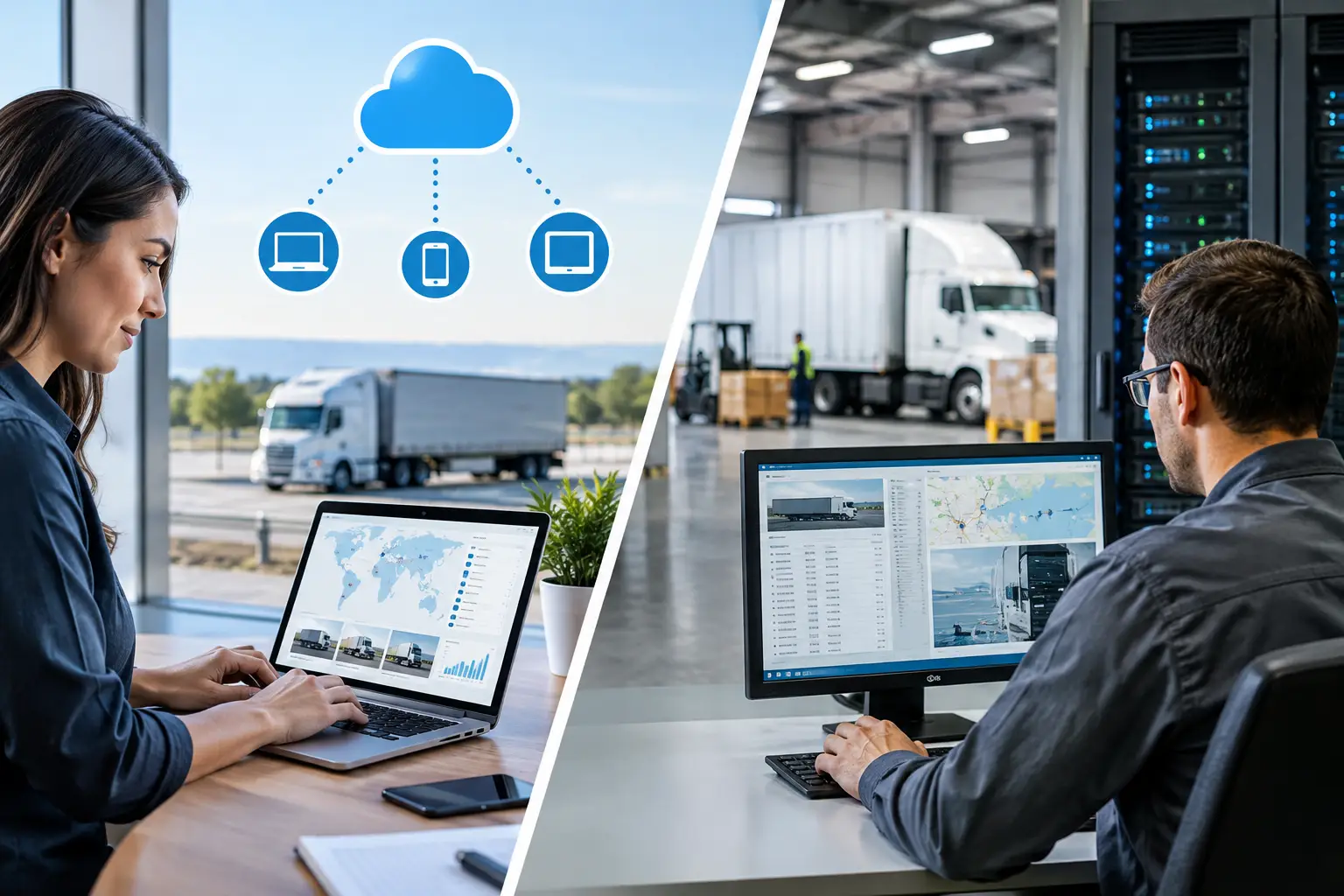
Cloud TMS Versus On Premise for Freight Teams
Cloud TMS versus on premise: compare deployment, control, cost, integration, security, and speed for complex freight operations at scale worldwide.

Can TMS Support Urgent Shipments Without Chaos?
Can TMS support urgent shipments without disrupting planned freight? Use connected procurement, execution, visibility, and invoice control to act faster.

Managed Transportation vs Self Serve: Which Fits?
Managed transportation vs self serve affects freight cost, carrier control, visibility, and speed. See which operating model fits your network and goals.

Best Freight Visibility Platforms for Shippers
Compare the best freight visibility platforms by the operational control they deliver, from milestones and carrier action to freight audit and payment.

Why Do Freight Invoices Mismatch So Often?
Why do freight invoices mismatch? Learn the operational causes behind freight billing errors and how a connected workflow improves control before payment.

Supply Chain Resilience Trends That Pay Off
Supply chain resilience trends are reshaping freight procurement, visibility, and execution. Learn how to build control without adding operational friction.

When to Use Live Freight Bidding for Better Control
Learn when to use live freight bidding to cover exceptions, protect capacity, compare carrier offers, and maintain control across your freight network.

Freight Tendering That Protects Cost and Capacity
Freight tendering works when contracts, spot options, carrier acceptance, and shipment execution operate in one controlled workflow for faster decisions.

WMS TMS Integration That Improves Freight Control
WMS TMS integration connects warehouse activity to transportation decisions, helping shippers control dock capacity, costs, exceptions, and freight execution.

Carrier API Connectivity That Drives Freight Control
Carrier API connectivity gives shippers rates, tender status, tracking, and invoice data in one workflow, so teams can control freight spend and execution.

Transportation Management System That Controls Freight
A transportation management system brings procurement, execution, visibility, and freight payment into one workflow built for better decisions each day.

Transportation Business Intelligence That Pays Off
Transportation business intelligence turns freight activity into cost, service, and carrier decisions your team can act on before costly exceptions grow.

TMS ERP Integration for Better Freight Control
TMS ERP integration connects orders, costs, and shipment status so transportation, procurement, and finance teams can act from the same operational data.

TMS Versus Spreadsheets for Freight Control
See how TMS versus spreadsheets changes freight procurement, carrier execution, invoice control, and visibility across complex transportation networks.

Freight Carbon Reduction That Cuts Cost and Waste
Freight carbon reduction becomes practical when procurement, routing, execution, and payment data work together to reduce empty miles and prevent waste daily.

Carrier Performance Scorecard Metrics That Matter
Carrier performance scorecard metrics reveal where freight execution improves, where cost risk builds, and how to make smarter routing decisions daily.

Pre Invoice Freight Reconciliation That Pays
Pre invoice freight reconciliation catches rate and accessorial errors before billing, giving freight and finance teams cleaner payments and daily control.

Carrier Invoice Validation Software That Pays Off
Carrier invoice validation software checks freight charges against approved rates, shipment events, and accessorial rules before payment is released daily.

Yard Visibility Management Software That Delivers
Yard visibility management software gives freight teams live control of trailers, docks, dwell time, and exceptions across every active facility and carrier.

Dock Appointment Scheduling Software That Controls Flow
Dock appointment scheduling software gives plants and warehouses control of inbound and outbound flow, carrier arrivals, capacity, and detention risk.

How to Analyze Freight Delay Root Causes
Learn how to analyze freight delay root causes across planning, capacity, docks, carriers, and data to reduce disruption, cost, and repeat exceptions.

Shipment ETA Alerts Software That Drives Action
Shipment ETA alerts software turns late-freight signals into accountable action, helping teams protect docks, production plans, costs, and key customers.

Real Time Freight Tracking Software That Drives Control
Real time freight tracking software gives logistics teams shipment status, exception alerts, carrier accountability, and execution from pickup to proof of delivery.

Mini Tender Freight Bidding Process Explained
Improve the mini tender freight bidding process with clear shipment data, carrier rules, timed bids, and audit-ready award decisions for every load now.

Freight Rate Card Management Software That Works
Freight rate card management software gives shippers control of contracts, exceptions, and invoice validation across every lane, carrier, and location.

Automated Carrier Routing Software That Adapts
Automated carrier routing software helps shippers select capacity, control freight costs, and manage exceptions from tender through payment with control.
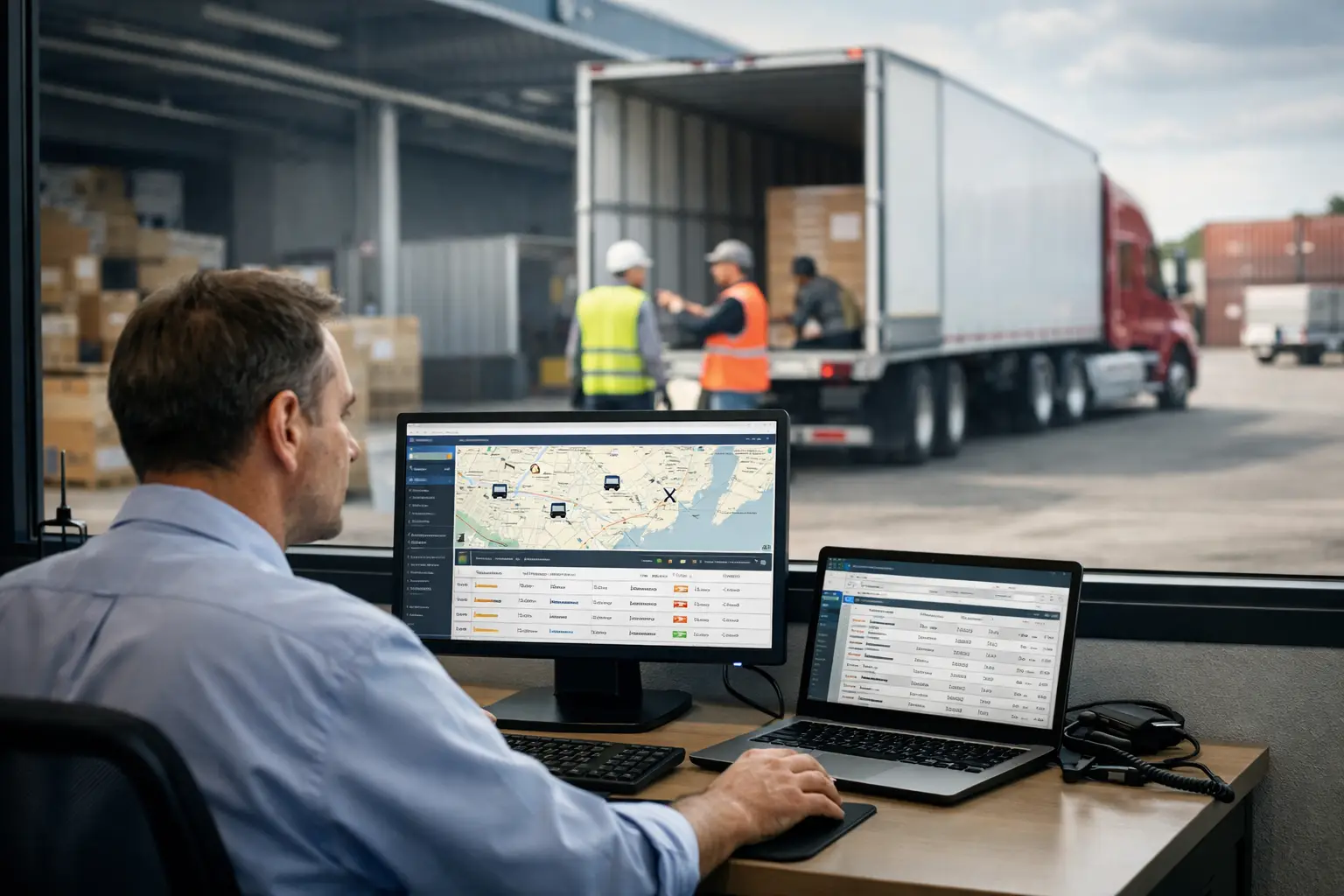
Freight Procurement Software That Controls Every Load
Freight procurement software brings contracts, spot bids, execution, visibility, and invoice control into one workflow for better transportation decisions.

How a Hybrid Logistics Model Cuts Freight Costs
A hybrid logistics model gives freight teams one controlled workflow for contract, pre-negotiated, and live-bid capacity when conditions change daily.

TMS Implementation Without Upfront Fees That Work
See how TMS implementation without upfront fees aligns software cost with freight volume, speeds adoption, and proves control before commitment at scale.